

How to Choose the Right Child Bike Seat
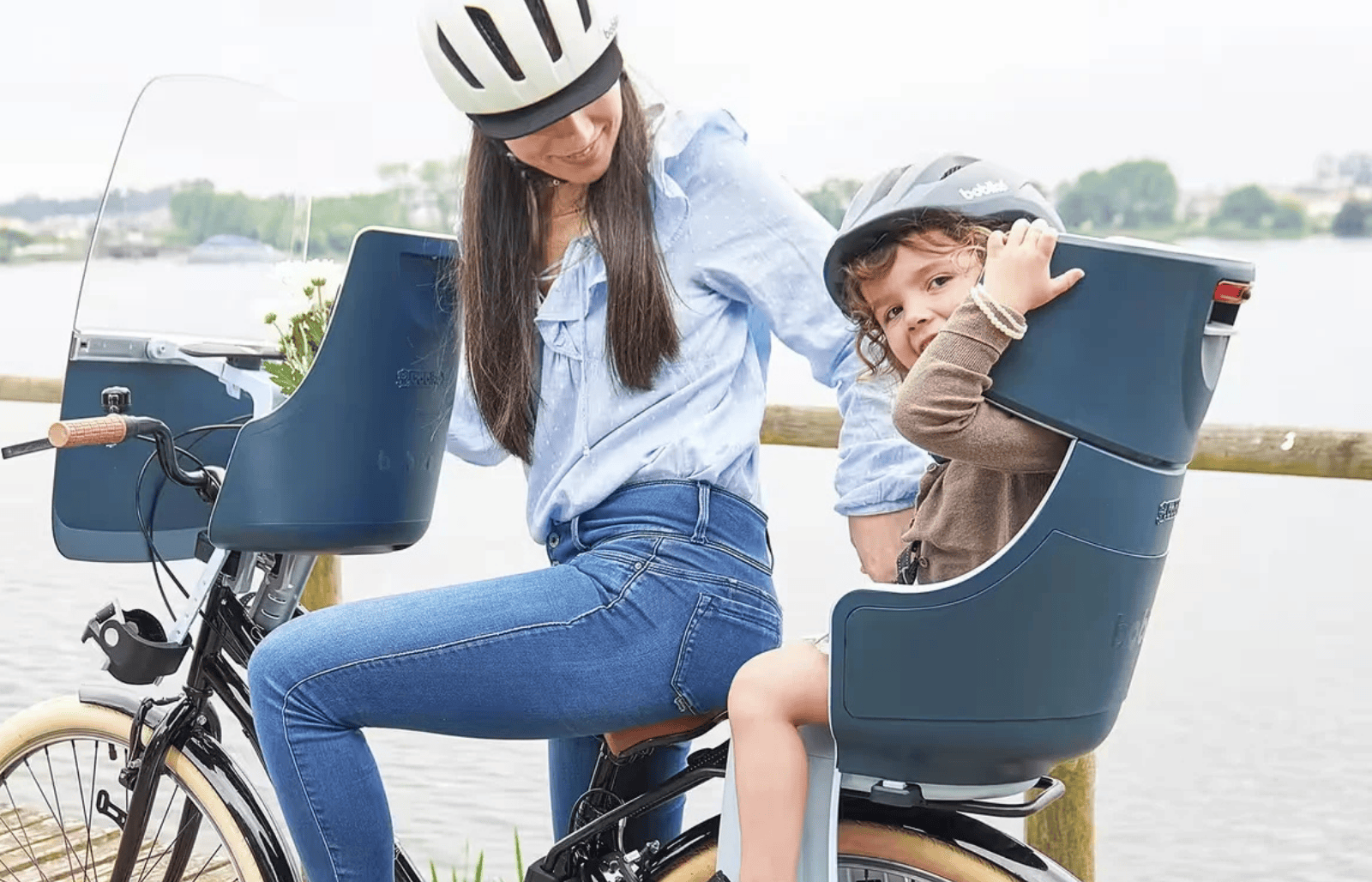
Picking a child bike seat shouldn’t feel complicated. In reality, it comes down to a few simple things: safety, comfort, and making sure both you and your child actually enjoy the ride.
Here’s a straightforward way to understand what you need.
Start with your situation
Before looking at specific models, just answer a few basic questions:
- How much does your child weigh? (this matters more than age)
- How old and tall are they?
- What kind of bike do you have?
- Where do you usually ride?
City rides, park trips, short commutes — all of this affects the choice.
One important thing: not every seat fits every bike. Always check compatibility.
Types of child bike seats
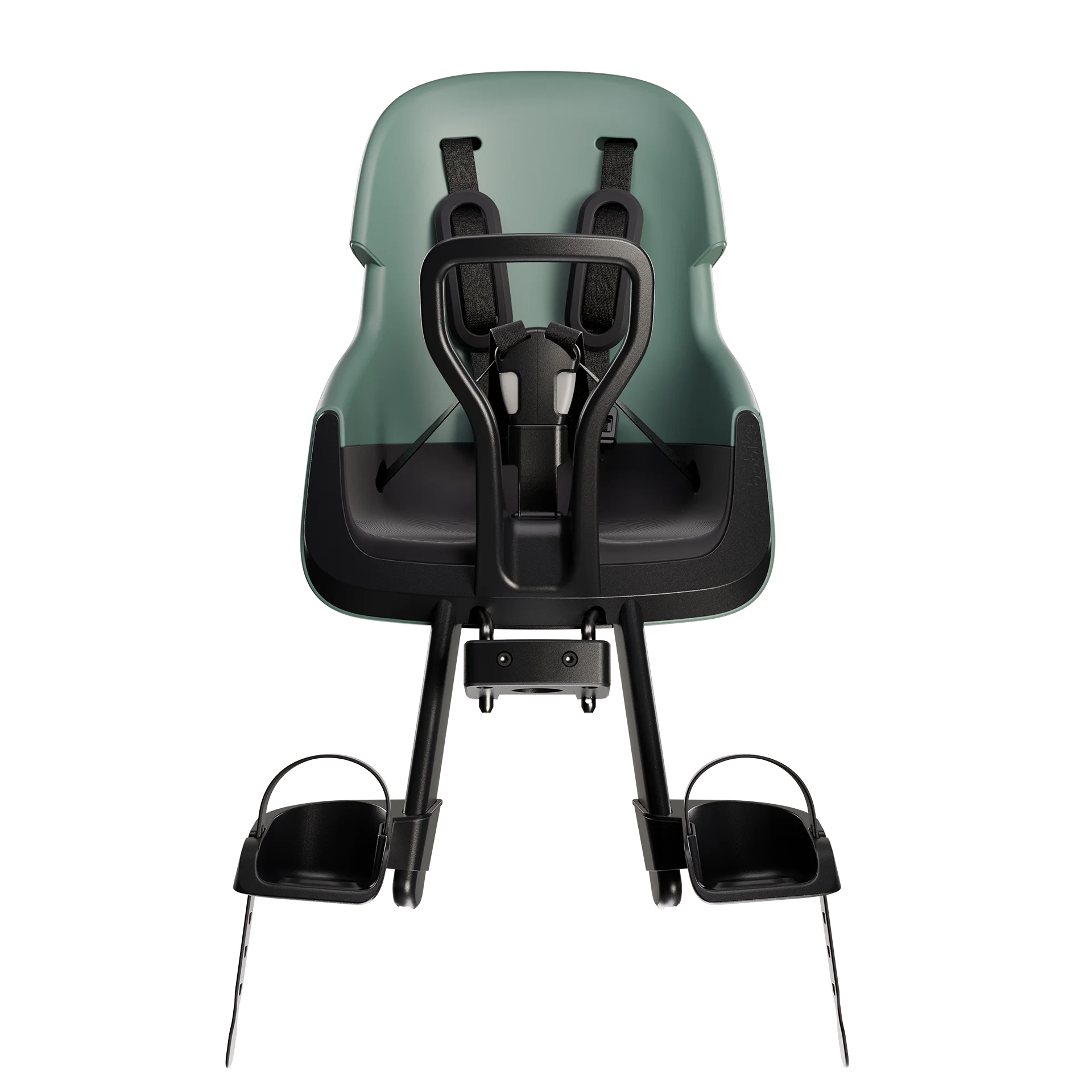
Front seat (mini)
This option works well when your child is still little and you want them close.
They sit in front of you, between your arms — you can see them all the time, talk, point at things on the road. For many parents, that’s the biggest advantage.
Good for:
- younger kids
- short, relaxed rides
Keep in mind:
- limited by weight
- can feel a bit tight depending on the bike
Tech data:
- up to 15 kg
- ~9 months to 3 years

Rear seat (maxi)
This is the most common and a great all-purpose option
The child sits behind you, in a more protected position. These seats usually have a higher backrest, side protection, harness, and adjustable footrests.
Why most parents choose it:
- fits almost any bike
- more comfortable for longer rides
- works well as the child grows
Tech data:
- up to 22 kg
- ~1 to 6 years

Junior seat
For older kids who already sit confidently but still can’t ride long distances on their own.
It’s simpler in design, but still gives support and keeps things safe.
Tech data:
- up to 35 kg
- from ~6 years
Will it fit your bike?
Child bike seats are mounted using:
- front mounting (head tube)
- frame mounting (seat tube)
- rear rack mounting (carrier-based; compatible with both regular and electric bikes)
- integrated click systems such as MIK HD and AVS+
Note:
The E-BD standard is not a mounting type, but a load capacity rating for rear racks.
It is more common on e-bikes due to higher load requirements, but can also be used on regular bicycles.
If you’re not sure what works with your bike — it’s better to check before buying than to guess.
A few safety basics:
Nothing complicated here, just things people sometimes forget
- always check that the seat is properly fixed
- fasten straps every time, even for short rides
- adjust footrests so legs are secure
When placing and riding:
- Hold the bike firmly
- Don’t let them climb in on their own
- never leave a child sitting in the bike alone
- avoid rough terrain and jumps
- Helmet — always
A properly fitted helmet (EN 1078) is a must. Even on short rides.
Quick orientation
If you don’t want to overthink it
- small child → front seat
- most situations → rear seat
- older child → junior seat

About Bobike bikeseats
We usually recommend Bobike seats because they’re simple, reliable, and well thought out
- made according to European safety standards
- TÜV and GS approved
- comfortable for kids, practical for parents
- easy to install and adjust
Nothing overly complicated — just solid seats that do the job well.
The right choice is the one that:
- fits your bike
- suits your child
- feels comfortable for both of you
Once that’s sorted, everything else becomes simple — you just ride and enjoy the time together
Comments : 0